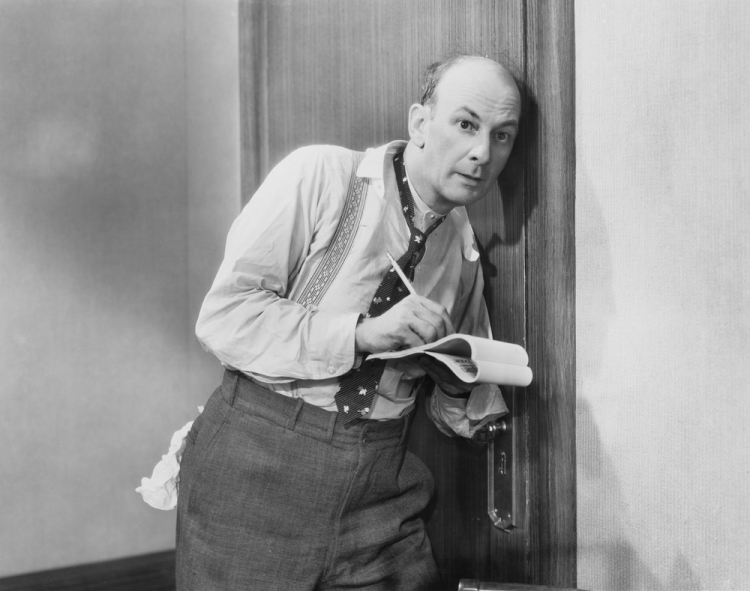
I was waiting in a cafe for a woman I was to have an informational interview with, reading over her LinkedIn profile and sipping a hot chocolate, when two women sat down at the table beside mine. It didn’t take long for me realize they were journalists.
The woman I was waiting for worked at a PR agency and I was an aspiring PR practitioner, so I couldn’t resist jotting down notes as the journos beside me began listing their grievances with the industry I was attempting to break into. Below are the learnings I took from my eavesdropping.
- Don’t pester journalists. Take a hint. If you’re getting one-word responses (or no response at all) to your emails, she’s just not that into you. Be respectful. Also, don’t send “thanks anyway” emails. To journalists, they’re just one more message clogging up their already jam-packed inbox.
- Don’t “spray and pray” your pitches. PR agencies are notorious for this practice, writing generic pitches they blast out to dozens of journalists. Take the time to read the journalist’s work you’re reaching out to and demonstrate in your pitch how your news is worth their writing about.
- They don’t really want to talk to you. Journalists don’t want to talk to PR people – they want to talk to decision-makers. Journos often see PR practitioners as barring their access to power. Media train your C-suite and make journalist access to them easy.
- They can’t predict the future. Journalists usually prepare stories up to one week in advance, so don’t reach out inquiring about placement opportunities in two weeks’ time. The onus is on you to keep up with current events and pitch your news to coincide accordingly.
- Journalists think we just sell stuff. PR practitioners can change this perception of our industry by making more of an effort to cater to journalist needs. Whenever you contact a journo, ask yourself – why does my pitch matter to them? Journalists care about their publication, not your client. Always serve their interests before yours.
It was at this point that the woman I was waiting for arrived and we began to talk about PR. The journalists beside us overheard our conversation as I had overheard theirs, and promptly left.
 The Roaming Homebody